Actions for 2025 to 2026
1. Getting an autism diagnosis
| | We will check how an autism diagnosis works. | |
| | We will create a group of professionals to give us advice. For example, doctors. | |
| | We will share clear information about different ways to get a diagnosis. | |


We will share guides about autism with: | |
| |
|
| |
|
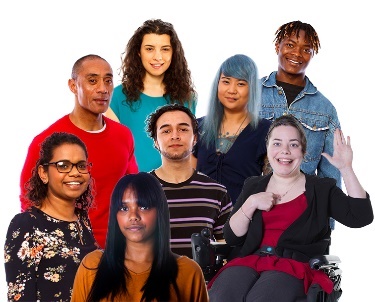
| | Multicultural communities include people who:
|
We will also share: | |
| |
|
| |
|
| | We will also train people who care for Autistic children in out-of-home care. |
| | Out-of-home care is housing for a child who:
|

2. School and learning
| | We will try new ways to support Autistic students in the classroom. |
| | We will train teachers about autism. |
| | We will create tools to help students change schools. For example, from primary school to high school. |
| | We will also make it easier for families to check if their children have autism. |
| | We will offer these checks:
|
3. Working and earning money
| | We will train people who work for the government about autism. |
| | We will check government rules about hiring people. |
| | We will keep sharing information to help people understand:
|
| | We will also share more information about services that support people with disability to find work. |



4. Finding and using services
| | We will create guides to help service staff support Autistic families. |
| | We will also check information and programs to help parents and carers. |
5. Taking part in the community
| | We will update the way we design alarms to make sure they work well for Autistic people. For example, alarms that don’t use bright lights or loud noises. |
| | We will create rules about how to design spaces that work well for Autistic people. |
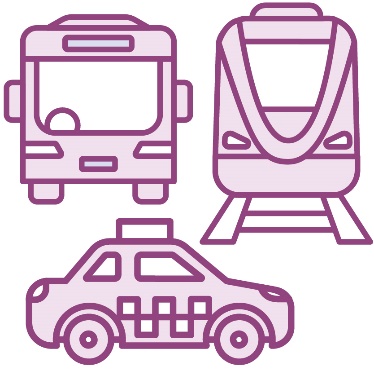
| | We will think about what Autistic people need when we improve transport. For example, buses, trains and taxis. |
| | We will pay for programs that support Autistic people to take part in their community. |
| | We will make sure places for sports and community activities are accessible. |
| | When something is accessible, it is easy to:
|

6. Health and mental health services
| | We will create resources to take away barriers. | |
| | A barrier is something that stops you from doing what you:
| |
| | We will also train health care professionals about autism. | |
For example: | |
| |
|
| |
|
| |
|
| | We will make it easier for people to find their way around hospitals. |
| | We will also create resources to help emergency departments at hospitals support Autistic people. |


7. The justice system
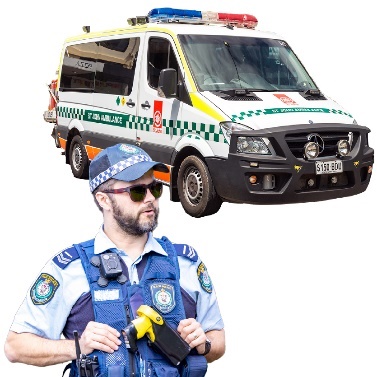
We will give people autism training, including: | |
| |
|
| |
|
| |
|
| | We will make sure court websites meet the needs of Autistic people. |
| | We will change some designs inside prisons to support Autistic people. |