Actions from 2026 to 2029
1. Getting an autism diagnosis
| | We will look at how to make sure families don’t pay too much for a diagnosis. |
| | We will also test a program to support people after they get a diagnosis. |

2. School and learning
| | We will keep training teachers on how to support Autistic children in classroom activities. | |
| | We will create guides about designing classrooms that work well for Autistic students. | |
| | We will include autism training for teachers at university. | |
| | We will also provide teachers with training about neurodiversity. Neurodiversity is the different ways people’s brains can work. | |
| | This training will help make safe learning spaces for Autistic children. | |

3. Working and earning money
| | We will collect data about Autistic people who work in the government. |
| | Data includes information and facts we collect to help us learn about something. |
| | We will run programs to support the wellbeing of Autistic people who work in the government. |
| | We will create programs that help Autistic people change from school to work. |
| | We will also use grants to help businesses hire and support Autistic people. |
| | Grants are money from the government to pay for important work that helps others. |




4. Finding and using services
| | We will create one main place online to keep information about autism. |
| | We will keep training service staff about autism. |
| | We will also check how well Companion Cards are working. |
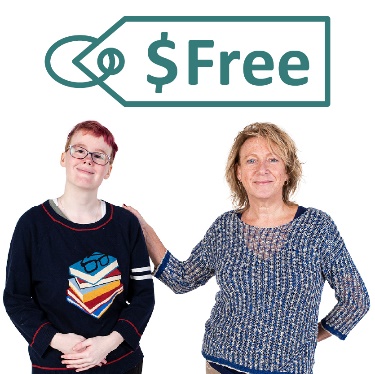
| | A Companion Card lets some people with disability take a support worker to an event or activity for free. |
| | We will work with Aboriginal organisations to make sure autism supports work well for Aboriginal people. |


5. Taking part in the community
| | We will check that government buildings and spaces are accessible for Autistic people. |
| | We will improve transport in the community to meet the needs of Autistic people. |
| | We will create new spaces where Autistic people can take a break from:
|
This includes: | |
| |
|
| |
|
| |
|
| | We will look at giving organisations grants to create activities that include Autistic people. |
6. Health and mental health services
| | We will create new ways to support people’s health as they grow from a child into an adult. |
| | We will share tools and information to help people plan how to care for Autistic people. |
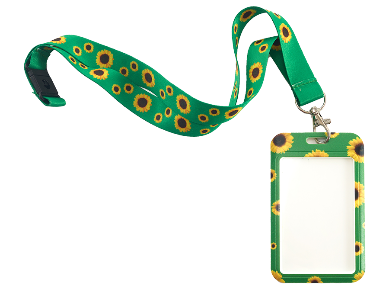
| | We will start the Hidden Disabilities Sunflower program in hospitals. This is a program to help people with disabilities that you can’t see get the support they need. |
| | We will work with health care professionals to create new ways to support Autistic people in places far away from cities and towns. This includes mental health professionals. |
7. The justice system
| | We will make sure court staff have training in:
|
| | This includes staff in youth courts. |
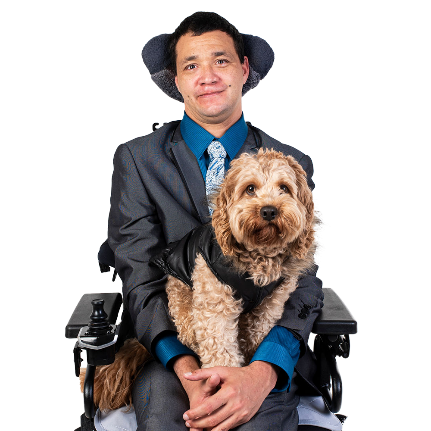
| | We will have more support dogs in court. |
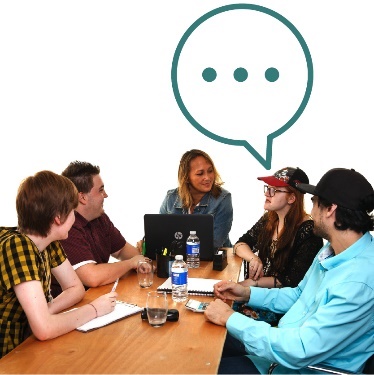
| | We will create groups to give us advice about different parts of the community. |
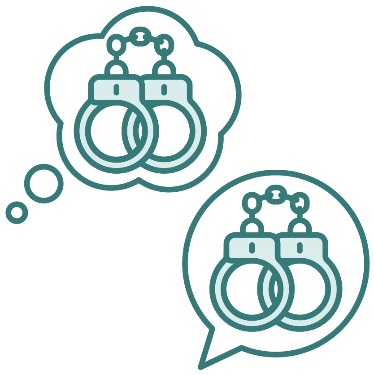
| | We will create tools and share information to support Autistic people who:
|
| | We will also check that the way the justice system works:
|